
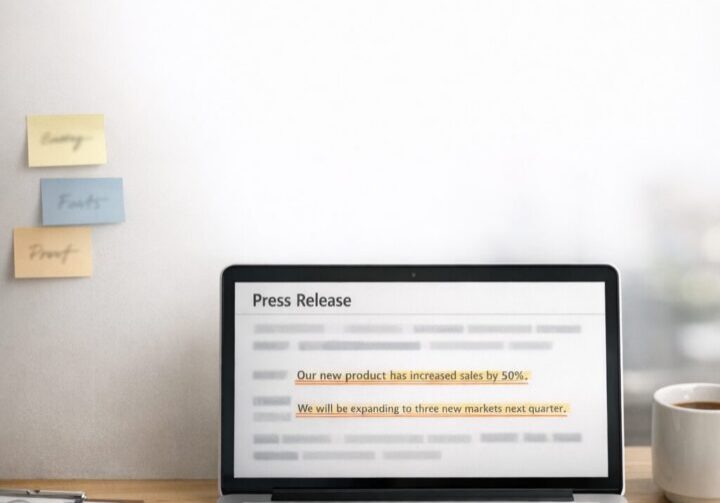

Press releases should be easy to read and give people real information. Journalists still depend on them to get accurate details quickly. But many releases lose attention because they are full of buzzwords and corporate jargon. Research supports this. A study of 89 corporate press releases found that when writers fill releases with hype or promotional wording, journalists remove most of that language when turning those releases into news articles. Brands can stand out by choosing simple, honest wording that helps people understand the story right away.
Skip Over the Overhyped Words
Words like “disruptive,” “cutting edge,” or “game changing” sound exciting, but really don’t say anything. Reporters see these phrases every day, which makes them easy to ignore. Instead of saying your product is amazing, explain what it actually does. Show the problem it solves and share real proof of its results. Clear facts make a stronger impression than flashy buzzwords. Recent large-scale research that tested more than 30,000 headline variations across major publishers, including The Washington Post, found that readers strongly prefer simple everyday language. When people see wording that feels straightforward, they engage more.
Stay Away from Confusing Corporate Jargon
Corporate jargon can make even simple ideas hard to follow. Terms like “synergy,” “holistic solution,” or “mission-critical platform” might sound official, but they do not tell readers much. People want direct and honest language. If two teams are working together in a new way, say that. If your service helps customers save time, explain how. Straightforward writing builds trust.
Cut Out Weak Fillers
Words such as “very,” “really,” and “highly” take up space without adding meaning. Press releases work best when every sentence feels sharp and useful. Instead of saying your company grew very fast, give the actual numbers. A recent analysis from Business Wire found that data-driven press releases have a stronger impact because numbers build credibility. Instead of calling a partnership really important, explain what makes it important. Specifics always make a stronger case. Aim to be concise and to the point; long press releases rarely get a full read.
Do Not Make Claims You Cannot Prove
Phrases like “first of its kind” or “industry leading” should be used only when you can back them up with facts. If you cannot prove the claim, it may hurt your credibility. Journalists want accurate information, not marketing claims. Stick with language you can support.
Remember That Press Releases Are Not Brand Copy
Clients will often push back because they want the press release to sound more “on brand.” This is a common concern, but it works against the purpose of a release. Journalists do not reward stylized brand language. They reward clarity and relevance. When the goal is getting your story picked up, this is not about staying perfectly on brand. This is about communicating a newsworthy message in a way reporters can quickly use. Keeping the writing simple and factual gives your story a better chance of being covered.
Keep It Real
Strong press releases focus on clarity, honesty, and real information. They avoid buzzwords and jargon that get in the way of the story. By keeping the language simple and direct, PR teams create releases that reporters respect and readers understand. This approach strengthens your message and your reputation at the same time.